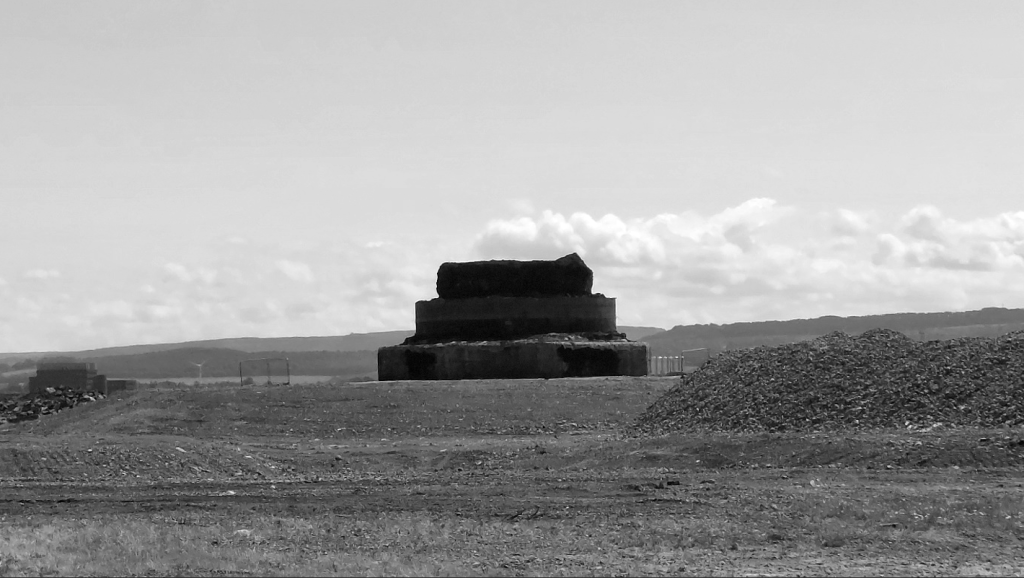
“I lived in Ferryhill which is a pit village. I was born in a terraced street on the other side of the road, if I had been born on that side the backyard would have looked over the pit.
I started working for a weighing machine company called Avery. Electronics was coming into weighing. Industrial weighing rather than levers, load cells, sensors. So, I was singled out to train. They sent me to Birmingham for a bit. And I came back and worked for a bit and then I worked for a Dutch company doing weighing equipment as well. And then I was working in the steelworks.
I lived through all the stresses and strains of really feeling as if the works were going maybe apart from the first five years that I worked in the steelworks, which would have been from 77 to the late 80s maybe. And I was feeling alright then. I thought it was a good move to go there. Well paid. And then I gradually realised that I could be made redundant at any point. You had that over you all virtually all the time. Would you believe that I retired at 60 and I would have been made redundant 6 months after I retired. I managed to escape all the closures mainly because I was in electronics. And it would have been expensive for them to get somebody else in. So, I feel as if that was lucky. I feel as if I sailed through. I’ve sailed choppy waters just by luck.
When I was sixty and the plait mill closed, I was like gosh, we were right down to the bare bones. Some people took redundancy. But the sort of impact of all of this going on, the demotivation, it’s not good if you feel as if the axe is over you. I had transferable skills. But some of the people, you know. The steel and the furnace workers and those working on the steelmaking part even more so.
I travel round county Durham quite a bit, some places are really on the up. They had money put in. Other places – oof, you know, really mixed. Whether that’s down to local authorities or people, I don’t know. People trying to bring industry in, I don’t know. I don’t know. It’s left a big mark. What happened in the 80s, you know, I mean you daren’t mention Thatcher’s name.
I was on strike obviously. Because I lived so far away, I wasn’t asked to do picket duty, which they had sympathy for. I would have done if I had lived close by. It was pretty tough. We did house rewiring. Hard work. And I worked behind the bar, so we got through it all right. Pretty dim, I remember.
Precision skills are all gone now. In the steel strike I never felt that there was a great body of men. I think we wanted 20% or something. What do we want, we want 20% is what seems to stick in my head. I think we got 15%. That was not bad. And is unheard of now, isn’t it. God, 15%. We did alright. And I had a great boss, honestly, he was terrific. Because they weren’t on strike, the management. And I remember the first time, the first day we all went back in. It was quite a big day. Imagine. And he said: ach, if you want any more, if you want a bit of overtime, lads, you know. Just knock on my door and we will see what we can do. So, that was probably not the official line but he obviously had sympathy for, you know.”
The scale of Lackenby steelworks can be seen in this video which captured the full site just prior to its demolition in 2021.