For Martina (77), work has played a major role in her life since childhood. Today, she misses the sense of social cohesion and calls for more solidarity in society.
“I was born in 1948 in Kreba in Upper Lusatia. There were four of us children: three girls and one boy. As children, we had to do a lot of work in agriculture. My mother even had to do our schoolwork from time to time because my grandfather forced us to cut beets until ten o’clock at night. That’s why my mother writes exactly the way we wrote – it’s a child’s handwriting.
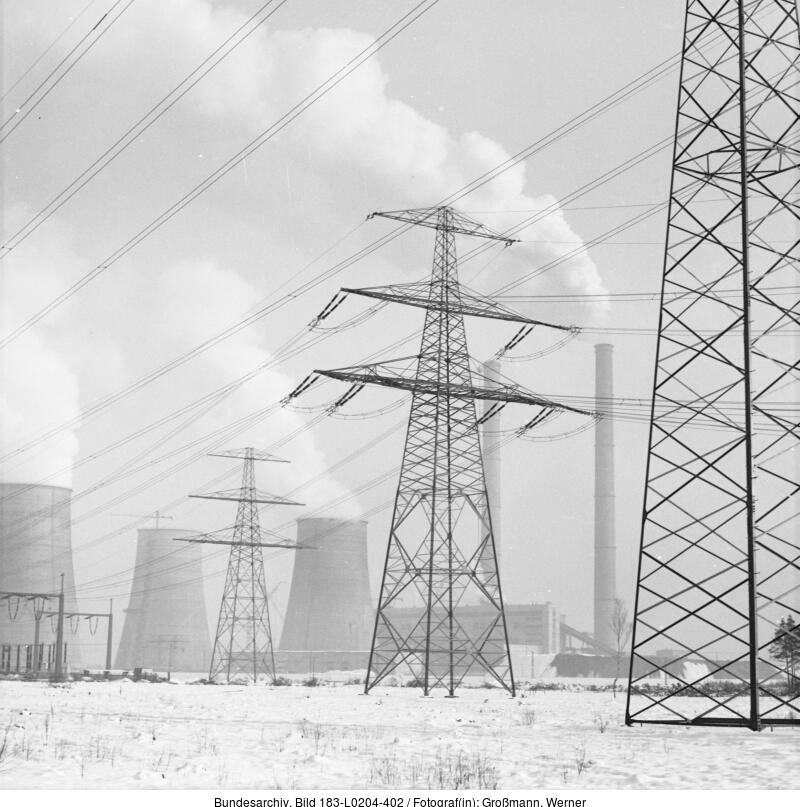
After school, I desperately wanted to get out of there, so I applied to the railway operations in Hoyerswerda. My father worked there as a locomotive heater. That’s where I trained as a locksmith. It was hard work, repairing wagons and so on. I then had an accident and had to stop working there. After that, I applied to the army in Cottbus. I wanted to be a nurse; that was actually my dream job. I worked there in the military hospital for two years. That is also where I met my first husband. We then moved to Weißwasser. My husband worked at the Boxberg power plant, and I went into the glassworks. My husband worked shifts in Boxberg, and I worked shifts at the glassworks. We only communicated via notes and letters: ‘Pick this up’, ‘do that’. That’s how it was back then. It was all just taken for granted. I had a shift-kindergarten. If we couldn’t pick up our daughters, they could sleep over at the kindergarten. People didn’t argue as much back then, because you simply didn’t have the opportunity to argue.
On the side, I worked as a swimming coach. I taught myself how to do that. A trainer once came to the school. He was with the army, training divers and such. He asked in school which children would like to come swimming. My two girls and some other children were among them. Then he said, ‘Okay, I now have 20 children, but I’m the only trainer’. So I stepped forward and said I would like to be a trainer. And so I did.
My first husband only lived to be 39; he died of cancer. After that, I had a light-duty position at the glassworks. I was sick more often. After the Wende, I was told: ‘That’s it, you’re done here’. The first ones to go were those who had been sick frequently. Then I found a job in a flower shop. In 1992, I met my second husband, who also worked at the Einheit (glassworks). Seventeen years ago, I started working every Saturday at the crisps factory in Kreba. It used to be a crisps factory; now it’s a nut factory. I used to tell myself I would never be a cleaner. And now I’ve been cleaning the machines in Kreba for 17 years. In my opinion, anyone can work if they want to. But you also have to accept the things you don’t like. And things aren’t the way they used to be. Let’s be honest. People aren’t like they used to be. We were a close-knit crew; we did a lot together. Now, everyone is on their own. And something that really bothers me is the way people talk about foreigners – the many who have come here from war-torn countries. I wouldn’t want to experience that. It’s enough just to witness it. I know from my grandparents what happened during the war. I would give the shirt off my back. I would take some of them in. I’d give up a room or the bungalow just so they can get over the hump. Whether they are black or green or blue, I don’t care – they are all human beings. And that is what people here don’t understand. I think they only think of themselves. But at my age, you can’t change that anymore. If the youth don’t do it, then who will?
I didn’t really care about the Wende. Because I never had any intention of moving over to the West. People thought back then: ‘Oh, the golden West!’ When the border opened, we bought our wedding rings over there. And when I saw the whole thing there, I just stood there and cried, because I didn’t know anymore what was actually real. It was all too much. It was all like a painting. Many people at work said: ‘We’re moving over to the West’. I said: ‘Do you imagine that roasted pigeons will just fly into your mouths? This will only be the beginning. You have to work everywhere. You don’t get anything for free anywhere’. I could never understand this ‘hurrah’ attitude, with others almost losing their minds. The good thing was that the border was gone, because so many people had died at the border. The sad thing is that they – to put it bluntly – cut us to the bone. The Treuhand just grabbed what they wanted. They take whatever they can. You can stand on your head and it won’t change. They wear you down until you’ve had enough and say: ‘Okay, fine, just take it’. So, the workers suffered under the Wende, that’s for sure. The ‘big shots’ always found a way to talk their way out of it. Everyone took what they could. They used to say: ‘In the West, people sleep under bridges’. I could never have imagined that this would happen here. Isn’t that sad? Where have we ended up? I don’t understand it. Am I too stupid for this?”